Gambling's role in shaping social behavior and community norms
Gambling has been an integral part of human culture for centuries, shaping social behaviors and community norms across various civilizations. From ancient China to the Roman Empire, gambling activities were often intertwined with social interactions, serving as a catalyst for community bonding. These activities provided people with a way to engage with one another, develop social hierarchies, and reinforce collective identities. In this landscape, exploring non gamstop online casinos uk reveals how modern platforms can influence gaming experiences.
The historical significance of gambling reveals its dual role as both a social lubricant and a source of conflict. While it can foster camaraderie, the inherent risks associated with gambling have also led to societal challenges, such as addiction and crime. Understanding this complex history is crucial for recognizing the nuanced ways gambling influences contemporary social behaviors.
In today’s digital age, gambling reflects the values and norms of modern communities. Online platforms have democratized access to gambling, allowing individuals to engage in gaming from the comfort of their homes. This shift has significant implications for community dynamics, as it changes how people interact with gambling and, by extension, each other. Here, the evolution of online casinos shows the transformation in player engagement.
The rise of online gambling has also led to the emergence of new social norms. For example, communities often rally around shared experiences of gambling, whether it’s discussing strategies or celebrating wins. This interaction can forge connections between people, reinforcing the idea that gambling is not just an isolated activity but a communal experience that can shape social narratives.
Gambling’s psychological effects play a crucial role in shaping individual and group behaviors. For many, engaging in gambling can result in heightened emotions, whether positive or negative. This emotional rollercoaster can lead to shared experiences among players, fostering deeper social bonds. Yet, it can also lead to detrimental behaviors, such as isolation or financial hardship, that can fracture community ties. Understanding these complexities enhances the dialogue around responsible gaming practices.
By recognizing the emotional drivers behind gambling, societies can implement measures to mitigate the risks while encouraging the positive aspects of community bonding through gaming. This understanding forms the basis for initiatives aimed at promoting mental health within gambling communities.
The regulatory landscape surrounding gambling significantly influences social behavior and community norms. Governments and organizations implement rules to protect individuals and communities from the negative consequences of gambling. These regulations can dictate how gambling is perceived and engaged with, affecting community acceptance of gambling activities.
Moreover, regulations often aim to promote responsible gambling practices, encouraging communities to adopt healthier perspectives on gaming. This balance between freedom and regulation shapes how individuals engage with gambling, ultimately influencing broader social norms regarding risk and responsibility within communities.
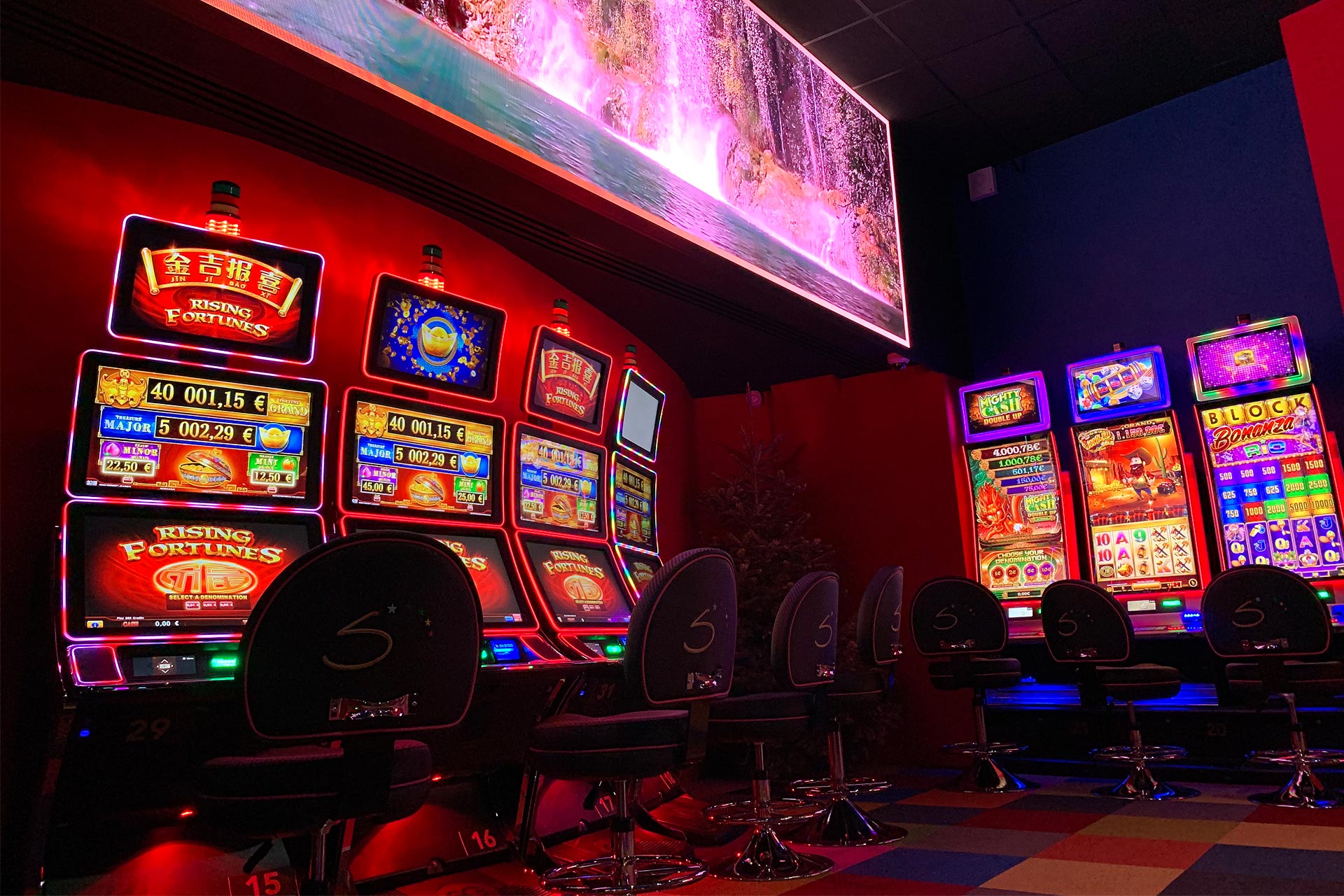
As the online gambling landscape continues to grow, many platforms emphasize responsible gaming practices. Websites dedicated to this mission provide essential resources, empowering players to make informed choices. By fostering an environment of awareness and education, these platforms contribute positively to community norms around gambling.
By prioritizing responsible gambling, these sites not only aim to protect players but also seek to cultivate a healthier gambling culture within communities. This focus can lead to a more sustainable relationship with gambling, promoting enjoyment while minimizing potential harm. As the discussion around gambling evolves, platforms dedicated to these practices play a crucial role in shaping a more responsible community experience.


94 Bui Thi Xuan Street, Xuan Huong Da Lat Ward, Lam Dong
Tel: (+84) 263 369 7666 | (+84) 889 296 655
Email: info@golfvalleyhotel.com
Thuộc CÔNG TY CỔ PHẦN ĐT - TM - DV THUNG LŨNG GOLF
MST: 5801336113
34-36 Thu Khoa Huan Street, Ben Thanh Ward, HCMC
Tel: (+84) 286 275 2001 | (+84) 286 275 2002
Email: sales5@golfvalleyhotel.com